Students’ life are structured and routined by school. A feeling of normalcy in their life is provided by sticking to a schedule of getting up at a given time, going to classes at a certain time, and returning home at a certain time. Knowing that third period math class would come after second period history class aids students’ minds to concentrate on academic subjects. Behavior and academic performance expectations are well-known and well-understood. Students lost this structure and regularity when schools ended earlier this month. Many students were sent home with assignment packets to complete, but it is up to them to decide when and how they will complete the work. This increased flexibility and choice feels fantastic at first.
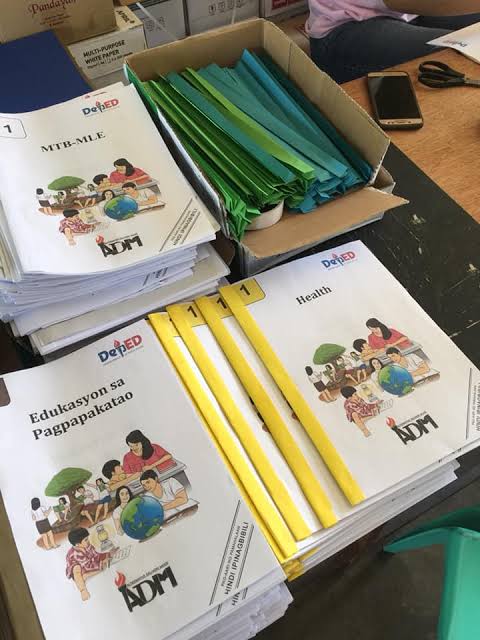
“At long last, I get to choose what I want to do!” “However, it is simple to fall behind, be distracted by other more appealing possibilities (Netflix, video games, social media), or become bored in a short period of time. School isn’t just about academics for most pupils; it’s also about social relationships. Many friendships began when students sat next to one another in class. Walking down a specific hallway between fifth and sixth period can be the highlight of a student’s day because that’s when she can anticipate to see the person she has a crush on. Every day, groups of friends enjoy lunch together. Young kids learn how to interact with non-family authority figures through their contact with teachers and other school officials.In the hallways and classrooms of their school, young people are exposed to a variety of different cultures, perspectives and ways of living that may be different than their own.
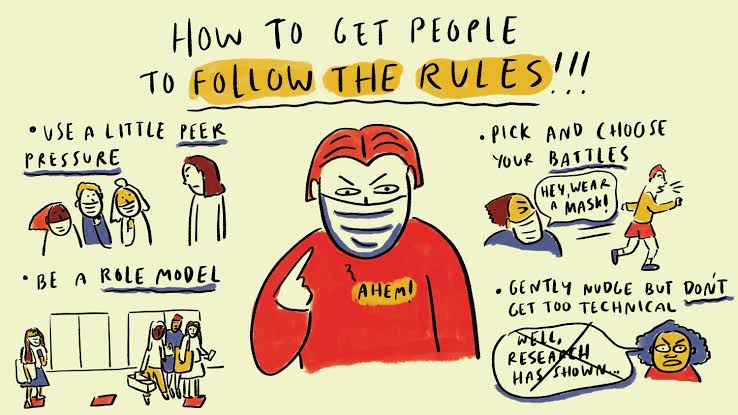
How do I follow the protocols as a role model?
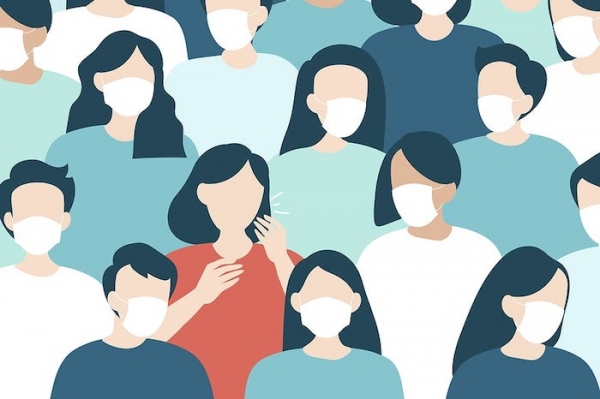
When you’re young and healthy, your risk of developing severe illness is lower. So consider those in your community who are most vulnerable, including older persons and persons with pre-existing medical conditions (such as high blood pressure, heart disease, lung disease, cancer or diabetes). Do your best to support them.
Encourage others to take precautions, including washing your hands regularly, have a vaccine, keeping a social distance from others and staying home when you’re sick. Basic actions like this can help limit the virus’ spread and its impact on public health, society and the economy.
Help us spread the word and join the WHO’s cross-platform campaign #BeReady, which is backed by the World Economic Forum and the Global Shapers Community. Use the social media kit to share accurate information locally and follow @WEF and @GlobalShapers accounts for daily content. Use the hashtag #ShapingHealth and #PreventionOverPanic in your own posts.

 Gabriel Joaquin Fernandez